Why Dogs Love Sticks: Understanding Prey Drive and Chewing Needs

Introduction
The fascination of dogs with natural wooden objects is far more complex than a simple preference for a rough chew toy. For most canines, the attraction to sticks is a deeply ingrained behavior, serving multiple functions—from fulfilling a primal hunting instinct to maintaining physical and mental health. Understanding why dogs love sticks requires examining the intersection of their evolutionary history and their basic biological needs. These objects are not merely toys; they are vital tools for sensory stimulation, dental care, and satisfying the innate canine drive to retrieve and chew.
The Evolutionary Anchor: Prey Drive and Retrieval
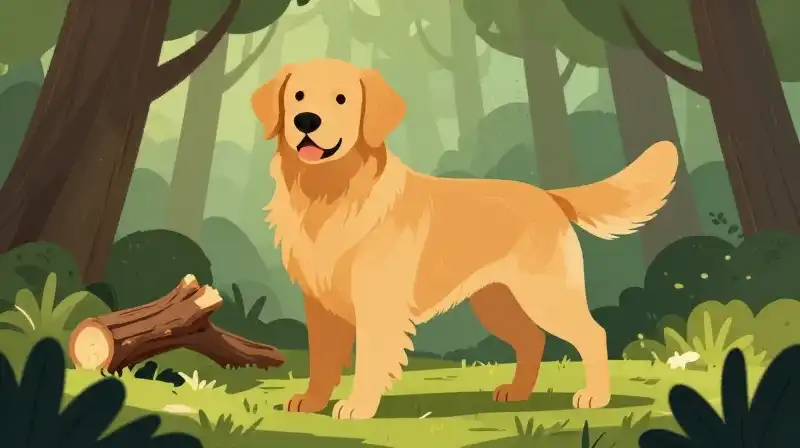
At the core of a dog’s obsession with objects that resemble natural items lies the powerful prey drive. Dogs are evolutionarily wired to track, capture, and carry potential prey. This instinct was honed over millennia, beginning with the domestication of dogs. When a dog retrieves a stick, it is replicating the historical act of bringing a downed animal back to the pack or a hunter.
Sticks satisfy this urge by mimicking the appearance, movement, and tactile nature of prey. The act of fetching—running, chasing, and bringing the item back—stimulates specialized visual and predatory senses. The inherent pleasure derived from this retrieval behavior, reinforced by human interaction, cements the stick as a highly rewarding target. This predatory cycle allows dogs to physically express their natural hunting behaviors, such as grabbing, carrying, and shaking.
Fulfilling Biological and Maintenance Needs
Beyond the primal instincts, chewing on wooden items provides critical, tangible benefits to a dog’s overall health and well-being. This is where sticks function as powerful tools for dental and digestive maintenance.
Dental Health and Jaw Maintenance
Chewing on durable, coarse materials is one of nature’s best forms of oral hygiene. Sticks provide a hard, resistant surface that helps scrape away plaque and tartar buildup. This action is crucial for maintaining healthy teeth and jaw structure. Furthermore, the act of powerful biting and chewing serves as a natural form of jaw maintenance, ensuring robust muscle tone and proper function.
Enrichment and Digestive Aid
Wood provides more than just mechanical stimulation; it offers mental enrichment. For a dog, chewing is a significant time-filler and a way to engage with their environment. Moreover, the fibrous nature of certain sticks can provide beneficial roughage. This dietary fiber aids in digestion and supports healthy bowel function, making the stick a functional element of their nutritional needs.
Sensory Satisfaction: The Appeal of Wood
The appeal of natural wood extends to its rich sensory profile. Dogs perceive the world through scent, texture, and taste, and sticks offer a complex array of stimulating inputs.
The tactile experience of chewing wood provides a unique combination of crunch and satisfying resistance. This sensory input is intrinsically rewarding, acting as a powerful natural stress reliever. Additionally, wood is rich in natural scents—bark, sap, soil, and residual insect life—which are stimulating to a highly attuned canine nose. This combination of aroma and texture triggers a deep, enjoyable level of engagement that goes beyond simple physical activity.
Safety Concerns and Making Responsible Choices
While the benefits of natural chew items are clear, it is vital to approach this instinct with caution. Not all sticks are suitable for canine consumption, and proper management is necessary to prevent injury or toxicity.
Potential Hazards:
- Splinter Injuries: The inherent splinter risk in wild wood can cause puncture or irritation to the mouth and throat.
- Toxin Exposure: Some tree types contain sap or chemicals that are toxic if ingested.
- Internal Blockages: Large, indigestible pieces can pose a risk of causing blockages if swallowed.
Prudent Alternatives and Selection Criteria:
When seeking wooden chews, prioritize items sourced from known safe species. Look for dense, uniformly cured wood or use established, safe alternatives. These include:
- Approved Hardwoods: Wood types like coffee wood or olive wood are often considered durable and safe when properly processed.
- Commercial Durable Toys: High-quality, professionally designed durable toys offer consistent safety, predictable materials, and optimized textures, minimizing splinter risks while still providing excellent enrichment.
Understanding Other Canine Instinct: How Do Dogs Apologize?
Although this behavior is different from chewing, it speaks to the depth of the dog’s communication. If you are curious how dogs manage social situations, it’s important to understand that dogs do not apologize in the human sense. They communicate social deference, regret, or submission through a series of behavioral signals.
When a dog “apologizes” or tries to de-escalate a conflict, they typically employ signs such as:
- Lowering their head or body position.
- Avoiding direct eye contact (a sign of appeasement).
- Licking the face of the person or dog they interacted with.
- Turning away or seeking to be less of a challenge.
These are non-verbal forms of social negotiation designed to reduce tension, not a verbal acknowledgment of wrongdoing.
Practical Summary for Owners
The love for sticks is a complex tapestry woven from instinct, physiology, and environment. To maximize the benefits of this natural inclination while mitigating risks, focus on these points:
- Prioritize Safety over Instinct: Never allow your dog to chew on unknown or unprocessed wild wood.
- Balance Play and Function: Use retrieval as mental stimulation, and durable wood or toys as teeth maintenance.
- Monitor Consumption: Observe your dog for signs of choking, gagging, or excessive jaw strain, and intervene immediately.
- Diversify Enrichment: While natural wood is excellent, ensure their enrichment routine includes a variety of materials to satisfy different sensory needs and prevent over-reliance on a single chewing target.
Frequently Asked Questions
How do dogs apologize?
Dogs do not apologize in the human sense but communicate social deference or submission through non-verbal behavioral signals. These signs typically include lowering their head or body position, avoiding direct eye contact, licking the face, or turning away to de-escalate conflict.
Maximizing Benefits and Mitigating Risks of Wood Chews for Dogs
Prioritize Safety
Never allow your dog to chew on unknown or unprocessed wild wood, as it poses inherent hazards like splinter injuries or toxic exposure.
Balance Play and Function
Use retrieval activities for mental stimulation, and provide durable wood or commercial toys specifically for dental maintenance.
Monitor Consumption
Continuously observe your dog for signs of choking, gagging, or excessive jaw strain, and intervene immediately if any issues arise.
Diversify Enrichment
While natural wood is beneficial, ensure your dog's routine includes a variety of materials to satisfy different sensory needs and prevent over-reliance on a single chewing target.
Related Articles