Why We Love Music So Much: The Science of Dopamine and Emotion

Introduction
If you frequently ask, “Why do I love music so much,” you are exploring one of the most complex intersections of biology, psychology, and human history. The answer isn’t a single factor, but a powerful synergy between how our brains are wired to seek patterns and how music serves as a sophisticated language for emotion. Fundamentally, music is not merely background noise; it is a deeply ingrained neurological and social necessity. It acts as a catalyst, allowing us to intentionally evoke specific emotional states, whether it is the exhilaration of a fast tempo or the deep melancholy of a slow chord progression.
The pleasure we derive from music taps into the brain’s primal reward system, causing the release of dopamine—the chemical often associated with pleasure and motivation. However, the appeal goes far beyond simple chemical reward. It serves as a profound medium for communicating complex feelings that words often fail to express and triggers powerful associations with our past memories. Understanding why we enjoy music so much requires looking at how our brains predict sounds, how our bodies synchronize rhythm, and how art facilitates our deepest human connections.
The Neuroscience of Musical Pleasure
At its core, the appreciation of music is a highly sophisticated exercise in pattern recognition. The human brain is naturally wired to detect and predict patterns in auditory stimuli. Music is essentially the structured presentation of complex patterns—rhythm, melody, and harmony—that the brain works to decipher. When the brain successfully identifies and predicts these patterns, it receives a neurological “high,” which manifests as positive brain chemistry.
The specific pleasure derived from music is heavily mediated by the brain’s reward circuits. Familiar music, which we have listened to hundreds of times, triggers the release of dopamine in the nucleus accumbens, a key reward center. This surge is amplified by anticipation; in the moments leading up to a musical “peak” (a dramatic shift in pitch, volume, or timing), the caudate nucleus is activated, heightening the sense of expectation. Interestingly, listening to new music also provides a unique form of pleasure. The enjoyment of unfamiliar music is linked to the successful confirmation or subtle violation of predicted musical structures, engaging memory circuits and expanding our cognitive engagement with sound.
The Role of Dynamics and Predictive Play
Beyond the basic melody, the nuances of music—such as changes in tempo, loudness, and intensity—are crucial for emotional resonance. These dynamics act as emotional cues that the brain processes through its mirror neurons, allowing listeners to emotionally connect with the artistic expression. This interaction between expectation and realization defines much of the intense emotional experience.
- Predictable Patterns: Familiar music provides comfortable dopamine hits tied to memory and predictability.
- Novelty: New or complex music challenges the brain, leading to excitement when those challenges are successfully navigated.
- Rhythmic Synchronization: Rhythmic patterns can synchronize the biological rhythms of listeners, creating a shared, collective emotional state during group listening.
Music as a Deep Emotional Language
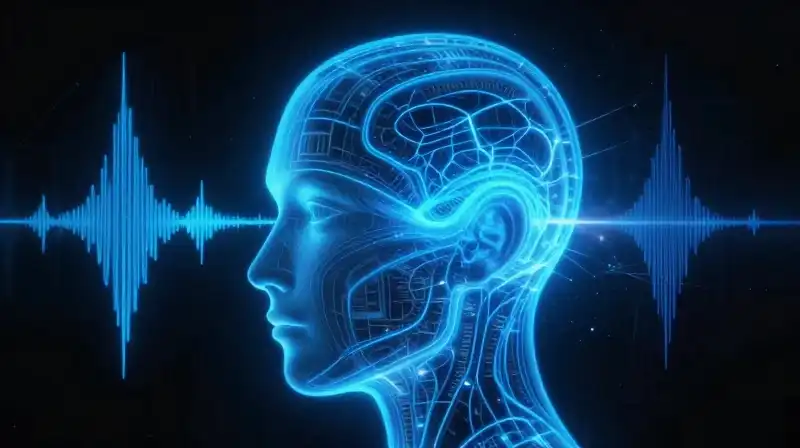
From a psychological perspective, music transcends mere sound; it functions as a powerful mood translator and an emotional catalyst. It is an accessible, versatile art form that taps directly into deep human emotional centers. Unlike language, which is tied to specific concepts, music communicates through frequencies and wave structures, allowing listeners to experience emotions that often feel too abstract or complex for words.
This capacity to communicate emotion is heavily linked to memory retrieval. Music has a unique temporal association with memory, meaning a specific song can act as a powerful trigger, immediately transporting a listener back to the past. Because music engages deep emotional centers, it strengthens memory retrieval, often bringing to life vivid and treasured past experiences. This is why a single chord progression can invoke profound feelings of joy, sadness, or nostalgic reflection without needing a single lyrical explanation.
Functionally, this powerful psychological impact extends to cognitive health. Musically charged lyrics can contribute to cognitive benefits, such as vocabulary expansion and improved language comprehension. Furthermore, music is a highly effective tool for focus, allowing it to drown out external distractions during periods of work or study.
Evolution, Social Bonds, and Tribal Connection
The enjoyment of music is also an evolutionary trait. Historically, the early development of singing and rhythmic activity was foundational to the development of complex speech patterns and the formation of strong communal bonds. Evolution dictated that the ability to cooperate and form groups was vital for survival, and music was a primary tool for achieving this.
Socially, music facilitates a vital sense of tribal connection. Through rhythm and shared experiences, music allows individuals to feel synchronized with a larger group. It acts as an emotional anchor for society, enabling individuals to share and validate intense feelings. The development of cultural norms and shared identity is often narrated and solidified through music, transforming it into an accessible, universal social medium.
Understanding Your Musical Preference: Why Do I Love Music So Much?
When a person asks, “What does it mean if you love music so much?” they are usually asking about the confluence of their personal history, biological wiring, and current needs. Your intense connection to music likely stems from a personalized blend of these three factors.
Your individual musical taste is a reflection of your “sound library”—the sheer variety of sounds and patterns your brain has stored throughout your lifetime. Your personal listening history dictates what triggers dopamine release and what builds associations. For one individual, the love of music might be rooted in nostalgia, acting as a powerful distraction from life’s difficulties. For another, it might be a practical need for concentration or a purely neurological fascination with harmonic complexity.
The Spectrum of Musical Experience
It is important to acknowledge the diversity of the musical experience. Not everyone processes music the same way, and certain conditions, such as music anhedonia (the inability to derive pleasure or emotion from music), are recognized medical realities. This highlights that while music is a universal human function, the depth of its appreciation is highly subjective and conditioned by personal exposure.
To better understand your own feelings, consider these personal factors:
- Lyrical Connection: Do you prefer music that tells a story or conveys a direct message, leveraging the power of cognitive language?
- Atmospheric Influence: Do you prefer instrumental music for its ability to create and maintain a specific mood or backdrop for daily life?
- Physical Response: Do you find yourself moving or “feeling” the rhythm? This often indicates a strong activation of the motor and temporal processing centers.
The Synthesis: Why Music Is Your Emotional Anchor
Ultimately, the reason for our profound love of music—and the answer to the question of “why do we enjoy music so much” from a psychological standpoint—is that music satisfies deep-seated human needs: the need for connection, the need for emotional validation, and the biological drive for pattern recognition.
Music is not just entertainment; it is a cognitive and emotional aid. It helps us narrate complex ideas, strengthens our memory, facilitates our social belonging, and provides a safe, accessible environment to experience intense feelings without real-world consequence. By engaging the brain’s deep emotional centers, music fundamentally alters our perception and significantly influences our mental state. Recognizing this power allows us to view music not merely as art, but as a crucial tool for self-regulation and understanding the human condition.
Frequently Asked Questions
What does it mean if you love music so much?
Your intense connection to music likely stems from a personalized blend of your personal history, biological wiring, and current needs, as it satisfies the deep-seated human needs for connection, emotional validation, and the biological drive for pattern recognition.
Related Articles