
Rat Wire Chewing: The Biological Reason and How to Prevent Damage

Introduction
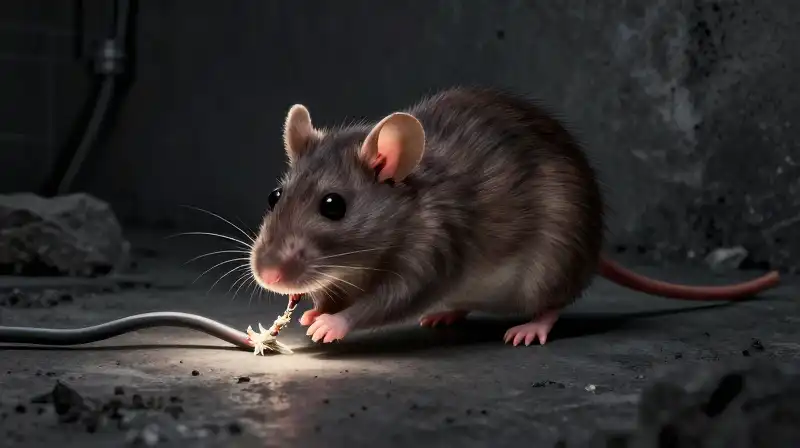
Rats and other rodents chewing on wires is not a random act of curiosity or a search for food. The fundamental biological reason behind this behavior, whether the rodent is a rat or a mouse, is driven by the necessity of maintaining dental health. Rodent incisors are continuously growing, and they require consistent friction to prevent the teeth from becoming overly long and painful. This habitual chewing is a powerful, instinctive reaction. However, while the need to maintain incisor length is the root cause, the specific targeting of human infrastructure—like electrical cabling—presents significant dangers involving electrical shock and fire risk. Understanding the instinctual drive is the first step; the next is implementing targeted preventative measures to eliminate the lure of the wire.
The Biological Necessity of Rodent Chewing
The behavior observed by pest control specialists is rooted in mammalian anatomy. Rodents possess continuously growing front teeth, which means they are never in a state of “finished” dentition. Without regular wear, these teeth would become dangerously long, leading to extreme discomfort, inability to eat, and potential death. Chewing is their natural form of mastication and dental care. For a rat, chewing on various materials—including wood, drywall, and soft insulation—is a fundamental biological imperative, not a choice based on taste or need for sustenance. While rodents may be observed chewing through infrastructure, it is less likely that the behavior is motivated by hunger. The instinct is primarily mechanical: keeping the teeth sharp and aligned. This instinctive drive dictates that they will chew on any readily available material that provides sufficient resistance for this maintenance.
The Attraction of Modern Wiring
If the behavior is primarily for dental health, why do rodents specifically choose insulated electrical cables over other materials in their environment? While rats chew indiscriminately, modern wiring presents a unique combination of factors that can make it highly attractive:
- Texture and Structure: The insulation of certain electrical cords provides a specific texture and structure that meets the rodent’s need for robust chewing resistance.
- Material Composition: Specific compounds used in insulation, such as certain soy-based polymers, have been identified by rodentologists as potential attractants.
- Environmental Factors: In some cases, the process of cable installation can leave behind environmental deposits, such as salt residue from sweat or packing materials, which may inadvertently attract rodents.
- Sensory Triggers: Some theories suggest that characteristics like the specific color of the wire (such as red or green) or even subtle harmonic vibrations from the electricity could contribute to their interaction with the cabling, although the dental need remains the primary driver.
Understanding the Hazards of Rodent Wire Chewing
It is important to address the risk associated with this instinctual behavior. Rodents lack the cognitive ability to comprehend the danger of electrical currents or fire. They do not understand that chewing a wire could lead to an accident; they simply perceive it as a chewable material.
The Risk of Electrocution
While not every rodent that chews on wires will be electrocuted, the danger is real. Rats can carry a current, and while some might avoid direct contact with exposed live wires, the presence of a rodent chewing through insulation significantly increases the probability of electrical failure or a shock event.
Fire and Property Damage
The greatest hazard is the compromise to the electrical system itself. When rodents chew through insulation, the internal copper wiring is exposed. This exposure can lead to:
- Short circuits that can damage sensitive electronics.
- Overheating of exposed wires, leading to potential electrical fires.
- A complete failure of power to the affected circuit.
Practical Strategies to Prevent Rodent Damage
Since the core intent of the rat is dental health, simply removing the wire is often impossible; thus, the focus must be on making the wire inaccessible or unappealing to the rodent. Effective prevention relies on a combination of physical, chemical, and material solutions.
Implementing Physical Deterrents
Physical barriers are the most reliable method for stopping wire chewing. These solutions create a protective encasement that rodents cannot access.
- Armor Flex Conduits: Utilizing rigid or flexible armor flex is highly recommended. This provides a heavy, impenetrable exterior that prevents even small rodents from getting to the insulation. This is a primary decision point for high-risk wiring.
- Protective Sheathing: Where cables are running through exposed areas or walls, ensuring they are secured in conduit made of durable, non-consumable material is crucial.
Utilizing Chemical and Material Discouragement
While these methods may not cure the instinctive need to chew, they can make the wires less attractive.
- Scent Deterrents: Applying specific chemical treatments or scents known to be repulsive to rodents can discourage them from targeting particular cable runs.
- Material Selection: When replacing wiring, choosing materials less attractive to rodents (e.g., changing insulation types) can reduce the likelihood of initial targeting.
- Color Changes: Although anecdotal, changing the color or texture of certain wires may act as a visual deterrent, as some rodents show a preference for specific hues.
Conclusion: Synthesis of Risk and Prevention
Rat wire chewing is a biological mandate—a natural, albeit dangerous, dental maintenance habit. The motivation is never hunger or electricity; it is solely to prevent overgrowth of their constantly lengthening incisors. Because the rodent’s instinct is so powerful, passive measures alone are rarely enough. To effectively manage this risk, consider your environment:
- If the wire is easily accessible, a physical barrier (like armor flex) is mandatory.
- If the wires are hidden or in industrial settings, a combination of physical protection and chemical deterrent treatments offers the best chance of success.
- Understand that if you observe signs of chewing, the damage has already begun, requiring immediate pest management intervention.
The key to preventing rodents from interacting with human infrastructure is not to change their behavior, but to make the infrastructure unappealing or impenetrable.
Frequently Asked Questions
Do rats get electrocuted when chewing wires?
While not every rat that chews on wires will be electrocuted, the danger is real. The presence of a rat chewing through insulation significantly increases the probability of electrical failure or a shock event.
How to Prevent Rodent Damage to Wiring
Implement Physical Barriers
Utilize rigid or flexible armor flex conduits to create a heavy, impenetrable exterior that prevents even small rodents from accessing insulation, particularly for high-risk wiring.
Secure Cables in Protected Sheathing
Where cables are running through exposed areas or walls, ensure they are secured in conduit made of durable, non-consumable material.
Apply Chemical Deterrents
Apply specific chemical treatments or scents known to be repulsive to rodents to discourage them from targeting particular cable runs.
Select Rodent-Resistant Materials
When replacing or installing wiring, choose materials and insulation types that are less attractive to rodents.
Utilize Visual Discouragement
Consider changing the color or texture of certain wires, as these characteristics may act as a visual deterrent to rodents.
Assess Environment and Implement Strategy
If the wire is easily accessible, a physical barrier (like armor flex) is mandatory. If wires are hidden or in industrial settings, combine physical protection and chemical deterrent treatments.
Related Articles