Why Is Horseradish Spicy? The Science of Pungency vs. Heat

Introduction
Horseradish is undeniably pungent, but the sensation it delivers is often misunderstood. When people ask “why is horseradish spicy,” they are typically looking for a comparison to the fiery burn of a chili pepper. The fundamental answer is that horseradish heat is not thermal heat; it is a highly concentrated chemical pungency. It works by directly irritating your sensitive mucous membranes rather than by trickng heat-sensing pain receptors. Understanding the chemistry behind this difference—the distinct action of allyl isothiocyanate versus capsaicin—is key to appreciating why this root delivers such an intense, stinging sensation that is entirely unique.
The Science Behind Horseradish Pungency
The intense flavor and heat of horseradish stem from a specific biochemical reaction within the plant. The active compound responsible is allyl isothiocyanate. This compound is not present in its final, potent form immediately upon harvesting; it is created through a chemical process that is triggered by physical damage to the root.
When you grate, chop, or cut horseradish, you rupture the plant cells. This action releases the enzyme myrosinase and a precursor molecule called sinigrin. The myrosinase acts on the sinigrin, chemically breaking it down into allyl isothiocyanate. This volatile compound is what causes the immediate, overwhelming reaction.
Allyl Isothiocyanate: A Mechanism of Chemical Irritation
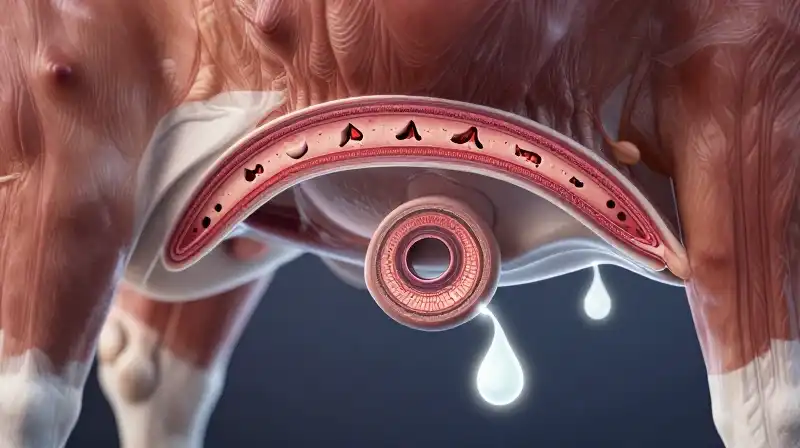
Allyl isothiocyanate is a volatile organosulfur compound. Because of its chemical structure, it is not perceived as a “hot” burn, but rather a powerful chemical stimulus. When this compound enters your body through ingestion or inhalation, it irritates the sensitive mucous membranes lining the mouth, nose, and throat. The body detects this chemical irritation using specific sensory receptors, known as polymodal nociceptors.
Unlike the receptors activated by extreme temperatures, these receptors interpret the sudden chemical irritation as a signal of intense discomfort. Chemically, this reaction is analogous to the body responding to being cut or burned, which can result in flushing and sweating, giving the sensation of intense heat even if no actual thermal damage is occurring.
Pungency vs. Thermal Heat: A Chemical Comparison
The confusion between horseradish spiciness and chili heat lies in the distinct chemical properties of their respective compounds. A comparison clarifies the radically different sensations these two types of spice create:
- Horseradish (Allyl Isothiocyanate): This compound is highly volatile and water-soluble. Its pungent nature is primarily a result of irritating the olfactory and nasal passages. Because it is volatile, it evaporates relatively quickly, meaning its intense feeling dissipates over a period, often around 15 minutes when freshly prepared.
- Chili Peppers (Capsaicin): Capsaicin is a thick, oily liquid. It is also an irritant, but its chemical structure allows it to activate specific, heat-sensing pain receptors (TRP channels) that trigger a recognizable burning sensation. Because it is oil-soluble, it lingers and persists in the body longer than the volatile compounds found in horseradish.
In essence, capsaicin triggers a *thermal* pain response, while allyl isothiocyanate triggers a *chemical* irritation response.
The Role of Receptors and Sensory Experience
The varying sensory experiences—the sharp sting of horseradish versus the deep, sustained burn of a chili—are tied to which receptors are activated. Allyl isothiocyanate primarily activates TRPA1 receptors, which are generally linked to sensing cold or acute pain throughout the body. Capsaicin, conversely, targets different pain receptors, leading to the sensation of intense, lingering heat. This differential activation explains why wasabi (which uses a similar compound, allyl isothiocyanate) is often described as intensely sharp and stinging, while a habanero is defined by its lasting heat.
Handling the Heat: Mitigating Pungency
Given the unique nature of horseradish’s chemical irritants, mitigation strategies differ significantly from those used for capsaicin. Because allyl isothiocyanate is volatile and water-soluble, the approach to “reducing the heat” focuses on neutralizing or allowing the chemical to dissipate.
Two highly effective approaches include:
- Allowing Volatilization: Due to its natural volatility, the most effective strategy for diminishing the pungency is simply waiting. As the allyl isothiocyanate evaporates into the air, its concentration in the mouth decreases, and the intense feeling rapidly diminishes.
- Water-Based Neutralization: Because allyl isothiocyanate is water-soluble, rinsing the palate and mucous membranes with water or milk can physically wash away the irritating compounds, offering a faster physical relief than waiting for evaporation alone.
Practical Summary and Precautions
Horseradish is spicy because it contains allyl isothiocyanate, a volatile compound that irritates your mucous membranes through a chemical reaction triggered when the plant cells are broken. This mechanism is fundamentally different from the oil-soluble, heat-sensing mechanism of capsaicin in chili peppers.
When experiencing extreme pungency from freshly grated horseradish, remember the following practical distinctions:
- Mechanism: Chemical irritation (pungency) vs. Thermal activation (heat).
- Duration: Typically short-lived due to high volatility.
- Mitigation: Rinsing with water or allowing the volatile vapors to dissipate.
While horseradish is a powerful flavor additive, those with extremely sensitive respiratory systems should be mindful of inhaling large amounts of the vapor, as the volatile compound can cause significant nasal and pharyngeal irritation.
Frequently Asked Questions
Is horseradish actually spicy?
Yes, horseradish is pungent because it contains allyl isothiocyanate, a volatile compound that causes a chemical irritation to mucous membranes rather than a thermal heat. This sensation is fundamentally different from the burning heat triggered by capsaicin in chili peppers.
Mitigating Horseradish Pungency
Allowing Volatilization
Wait, as the allyl isothiocyanate evaporates into the air, its concentration in the mouth decreases, and the intense feeling rapidly diminishes.
Water-Based Neutralization
Physically wash away the irritating compounds by rinsing the palate and mucous membranes with water or milk to achieve faster physical relief.
Related Articles