Alcohol Melts Ice? Science and Best De-Icing Recipes

Introduction
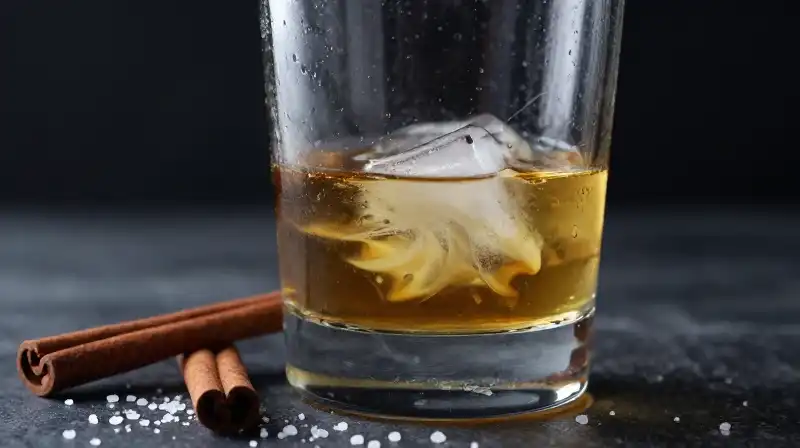
The question of whether rubbing alcohol can melt ice is not a simple “yes” or “no.” Scientifically, alcohol can lower the freezing point of water, allowing it to melt ice even when the ambient temperature is near zero. However, its real-world effectiveness as a de-icing agent depends on specific application methods, concentration, and environmental factors. The alcohol solution works by chemically disrupting the structure of the ice, but a homemade mixture incorporating other ingredients is often necessary to achieve noticeable results, especially on stubborn ice.
How Freezing Point Depression Works
The core chemical principle at play is freezing point depression. Pure water freezes at 0°C (32°F). When you introduce a solute, such as isopropanol into water, you create a solution. The alcohol molecules physically interfere with the water molecules’ ability to organize themselves into the rigid crystalline lattice required to form solid ice. This interference forces the freezing point of the mixture to drop significantly below 0°C.
Furthermore, the process of evaporation is endothermic, meaning the liquid must absorb heat energy from its surroundings to turn into a gas. As the alcohol evaporates from a solution applied to the ice, it rapidly draws latent heat from the surrounding ice structure. This localized, concentrated cooling effect contributes to the melting process. Isopropyl alcohol is naturally effective because its own freezing point is lower than that of pure water.
Effective Homemade De-Icing Solutions
While alcohol can lower the freezing point, simply spraying undiluted alcohol on ice often isn’t efficient. To maximize the impact, combining alcohol with other components helps the liquid interact with the ice effectively. The most practical approach is a combination solution:
Recommended De-Icing Recipe
This recipe is designed to maximize both the chemical lowering of the freezing point and the physical breakdown of the ice layer:
- Dilution: Use 1 teaspoon of isopropyl alcohol concentrate for every 16 ounces (half a quart) of hot water.
- The Role of Soap: Incorporate a small amount of dish soap (about a teaspoon). The detergent helps break the surface tension of the ice, allowing the liquid to permeate micro-cracks more easily, which aids the melting process.
- Application: Apply the mixture directly onto the icy area, ensuring thorough coverage.
This blend leverages the freezing point depressant properties of the alcohol while using the surfactants in the dish soap to aid in surface penetration.
Limits and Limitations of Alcohol-Based De-Icing
If you are asking if alcohol will melt ice on a driveway or path, the answer is conditional. While it is possible, its performance faces several practical and chemical limits that must be understood before application:
Ambient Temperature: If the surrounding air temperature is extremely low, the liquid may remain liquid but will not melt the ice unless the solution is applied in high enough concentration or is sufficiently warm initially. The liquid must stay above 32°F while evaporating to effectively draw heat from the ice.
Concentration: Using very low concentrations of alcohol significantly reduces its de-icing power. The effectiveness is directly related to how much alcohol is present to disrupt the water structure.
Surface Safety: Exercise caution. While alcohol melts ice, it is a solvent that can degrade certain finishes. Never apply concentrated rubbing alcohol to painted surfaces, vinyl, or sensitive plastics, as it can strip or discolor the material.
Comparison: Alcohol vs. Alternative Agents
To help decide if this is the right choice for your area, consider how the alcohol mixture compares to traditional alternatives like salt or heat:
| Agent | Mechanism of Action | Pros | Cons |
|---|---|---|---|
| Alcohol Solution | Freezing Point Depression (Endothermic) | Effective against black ice; readily available (DIY); less corrosive to some plastics than pure salt. | Requires application and time; evaporates quickly; limited by ambient temperature. |
| Sodium Chloride (Salt) | Freezing Point Depression (Ionic) | Highly effective; low cost; readily available. | Can be corrosive; harmful to plant life/grass; requires large amounts for heavy ice. |
| Hot Water | Thermal Transfer (Conduction/Convection) | Very fast melting; effective for small patches. | Heat dissipates rapidly; can evaporate the alcohol before melting ice; can cause runoff and refreezing. |
Practical Maintenance and Final Precautions
When using alcohol or hot solutions for snow and ice removal, proper post-treatment is essential. After the ice has melted, do not allow the excess water to stand on the surface. Residual standing water can quickly refreeze, leading to new, thicker layers of ice that are harder to remove than the original snowpack.
Always ensure you are properly cleaning up surfaces after using these mixtures to prevent ice buildup, especially in driveways. While alcohol de-icing is a viable DIY option, its efficiency is conditional. The best results are achieved by applying a sufficiently diluted, surfactant-enhanced solution directly onto the ice in fluctuating temperatures.
Frequently Asked Questions
Will alcohol melt ice on a driveway?
The ability of alcohol to melt ice is conditional, as its real-world effectiveness depends on concentration, application methods, and environmental factors. While alcohol can lower the freezing point of water, the liquid must remain above 32°F while evaporating to effectively draw heat from the surrounding ice.
How to Make an Effective Homemade De-Icing Solution using Rubbing Alcohol
Dilute the Solution
Use 1 teaspoon of isopropyl alcohol concentrate and add it to 16 ounces (half a quart) of hot water.
Incorporate Soap
Add a small amount of dish soap (approximately one teaspoon) to the mixture to break the surface tension of the ice.
Apply the Mixture
Apply the resulting blend directly onto the icy area, ensuring the surface receives thorough coverage.
Related Articles